As well as being a key cause of homelessness, poor mental health can also be exacerbated by homelessness due to the intense stress and trauma it can bring. Even the fear of homelessness itself can contribute to poor mental health. Financial problems, housing insecurity and overcrowding are all potential drivers of mental health issues for people facing homelessness. This can have vast negative effects, particularly for young people, impacting life chances.
Homelessness and poor mental health are therefore intrinsically linked, so it is important to look at both issues together if we want to truly achieve our mission at hyh.
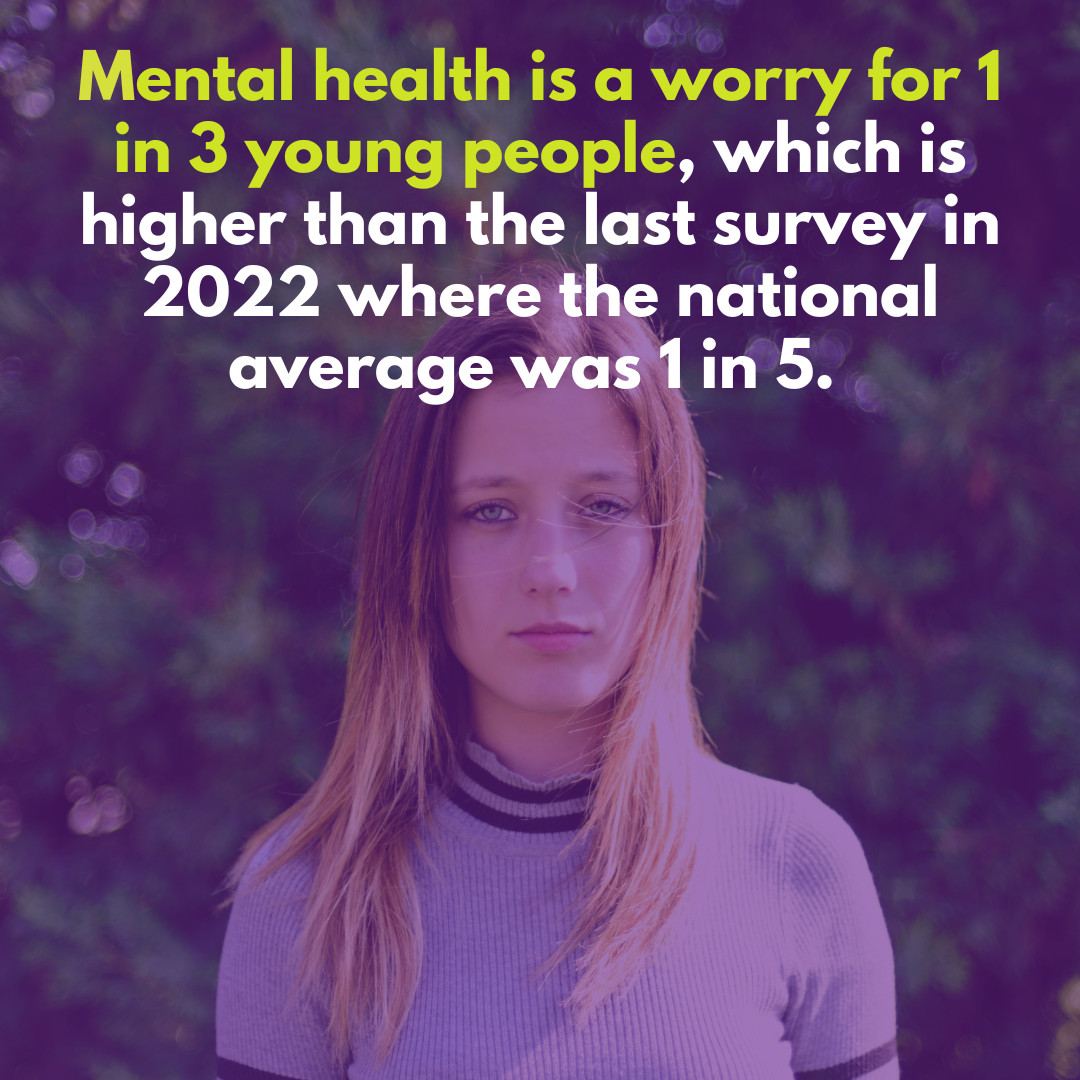
According to the Young People’s Health and Wellbeing Survey, mental health was a worry for 1 in 3 respondents, which is higher than the last NHS survey in 2022 where the national average was 1 in 5. Centrepoint research shows that mental health issues were reported in over half of homeless young people, with the most frequent mental health issues being feeling anxious, depressed, or stressed. It is also important to remember how these mental health issues interact, and that 75% of these people were in fact experiencing multiple mental health issues at once. Many of these young people lack a formal diagnosis, and it is likely that these figures are an underestimate of the true scale of poor mental health among young people facing homelessness.
At hyh, we understand just how important mental health is to our young people’s wellbeing as a whole, so we give it particular attention. But we also acknowledge that mental health cannot be treated in isolation. So, through our Intensive Outreach, we can support young people whose accommodation is at risk due to mental health or substance misuse issues. Our Dual Diagnosis Family Link Workers work with 10-18 year-olds and their parents. They coordinate plans with specialist agencies to ensure mental health needs are met, and provide the young person with debt advice, and independent living skills. Similarly, our Counsellor works with young people and their families to work through any issues that are impacting them.
Megan, our Dual Diagnosis Family Link Worker says, ‘The most rewarding part of my job would be seeing the changes within the young people, their situations, and their families. Knowing that I was able to help overcome these difficult times and obstacles.’